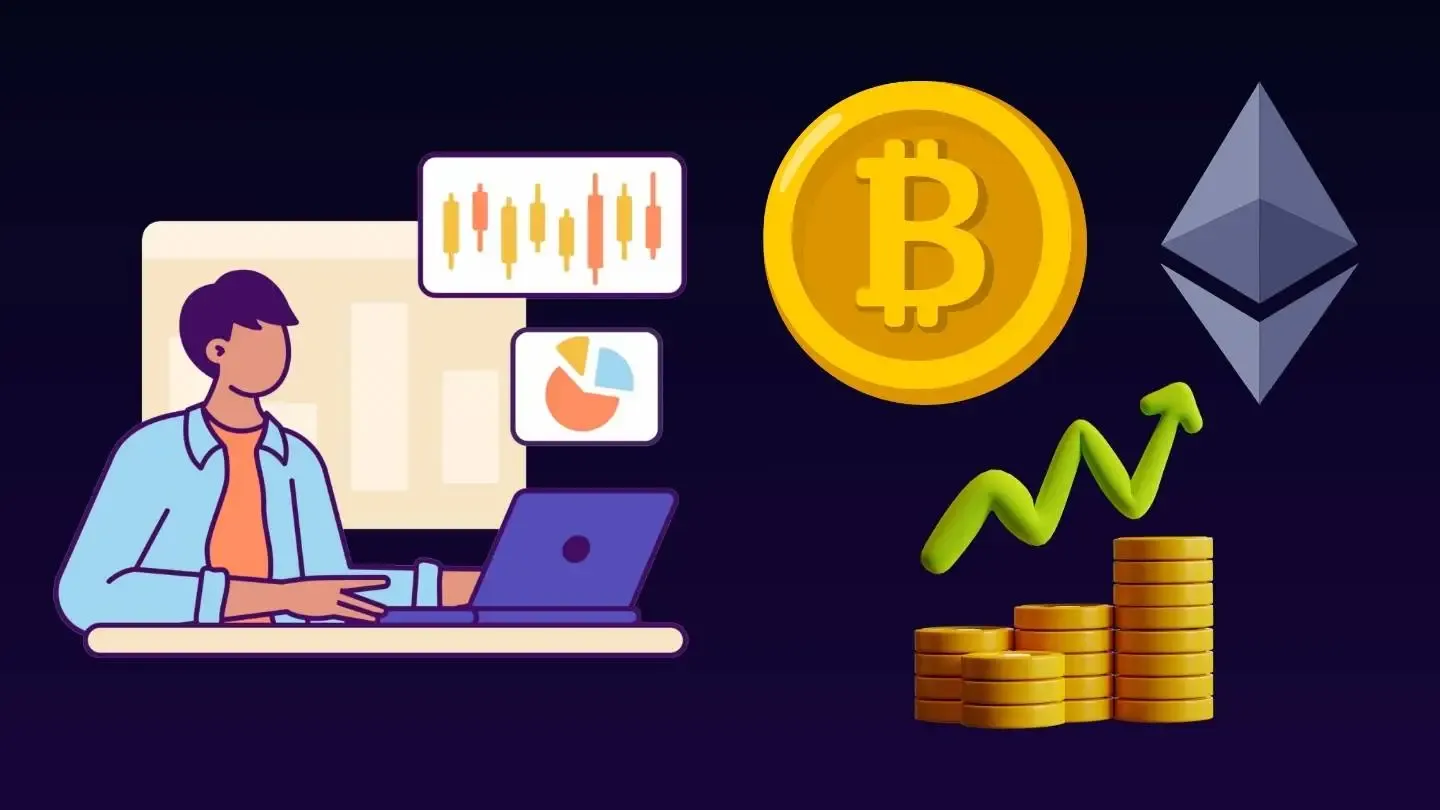

Freelancers in crypto face a diverse landscape, from technical development and security auditing to content creation and community management. Demand clusters around crypto marketing, debugging, and risk-managed delivery with clear ROI metrics. Opportunities favor flexible, data-driven engagements and milestone-based pricing. Professionals must verify counterparts, quantify impact, and maintain transparent collaboration. The balance of measurable outcomes and scalable delivery defines viable gigs, but the landscape remains dynamic, inviting further scrutiny of patterns, platforms, and risk controls.
What Freelance Opportunities Exist in Crypto Today
Freelance opportunities in crypto today span a wide range of specialized roles, from technical development and security auditing to content creation and community management. The landscape emphasizes measurable impact and scalable delivery.
Demand concentrates in crypto marketing and blockchain debugging, where analysts quantify ROI and defect rates.
Talent pursues flexible engagement, data-driven decision making, and clear performance metrics aligned with evolving blockchain ecosystems.
How to Spot Legitimate Gigs and Avoid Scams in Crypto
The previous overview of freelance opportunities in crypto highlights a market driven by measurable impact and scalable delivery; this context informs the need to distinguish legitimate gigs from scams, where signals matter as much as skill.
Systematic vetting emphasizes scam red flags and documented KYC compliance, enabling disciplined decision-making and freedom to collaborate with verified, transparent counterparts.
Skills, Roles, and Pricing for Crypto Freelancers
What skills, roles, and pricing structures do crypto freelancers need to maximize value in a rapidly evolving market? Analysts cite diverse capabilities: technical writing, on-chain analytics, smart contract auditing, tokenomics modeling, compliance awareness, and risk assessment.
Common pricing strategies include project-based, milestone tracking, and value-based fees. Clear scoping, measurable deliverables, and transparent timelines optimize skills roles alignment and sustainable cryptocurrency freelancing revenue.
How to Land Steady Work: Portfolios, Platforms, and Outreach
To convert the skills and pricing frameworks outlined previously into steady engagement, freelancers should focus on building verifiable portfolios, selecting appropriate platforms, and implementing proactive outreach.
The approach prioritizes measurable results: portfolio marketplaces show demand signals; disciplined outreach strategies convert interest into proposals.
Data-driven platform selection aligns with niche crypto needs, reducing churn and boosting reliability while preserving independence and freedom in project selection.
See also: Intelligent Sensors and Their Applications
Frequently Asked Questions
How Do Taxes Work for Crypto Freelance Earnings?
Tax treatment varies by jurisdiction, with freelance crypto earnings generally treated as income or capital gains. Compliance hinges on accurate reporting obligations, recordkeeping, and timing. Crypto taxation depends on holding, activity, and local rules; professionals emphasize diligent documentation and audits.
What Are the Top Crypto Freelancing Niches Right Now?
Silhouettes of value glow: top niches include DeFi tooling, NFT metadata services, blockchain security audits, on-chain analytics, and education content. Growth areas for freelancers show rising demand, data-driven demand signals, and scalable MOUs with crypto startups across markets.
Which Jurisdictions Offer Favorable Crypto Freelancing Regulations?
Jurisdiction comparisons show varying favorable regimes for crypto freelancing, with entrepreneurs favoring clear tax treatment and streamlined licensing, while regulatory compliance remains essential; data indicates some Caribbean, European, and Asian nations offer advantageous frameworks for independent contractors seeking freedom.
How Do You Handle Confidential Crypto Client Data Securely?
Silence seals the vault: confidential data must be encrypted, access-controlled, and audited, with secure practices aligning to crypto regulations; freelancers consider taxes for freelancers, payment methods for freelancers, and niche-specific protections within evolving frameworks and robust data governance.
What Payment Methods Are Best for Crypto Freelancers?
Payment methods for crypto freelancers balance speed and security, leveraging crypto wallets and reputable invoicing platforms; consider tax implications, data security, encryption practices, market demand, niches, jurisdictions, and regulatory compliance to optimize earnings and risk.
Conclusion
Despite the abundance of crypto gigs, freelancers chase predictable metrics: ROI, defect rates, and milestone-based payments. The market pretends to be egalitarian, yet verified counterparts and transparent collaboration dominate winners’ circles. Analysts quantify risk, while bold claims meet due diligence. Opportunities promise flexibility, but data suggests steady work rests on verifiable portfolios and measurable outcomes. So, in a world of hype, the ironies persist: success favors disciplined, data-driven freelancers who treat scams like red flags, not opportunities.
